Posted by
Mangozac on November 13, 2013
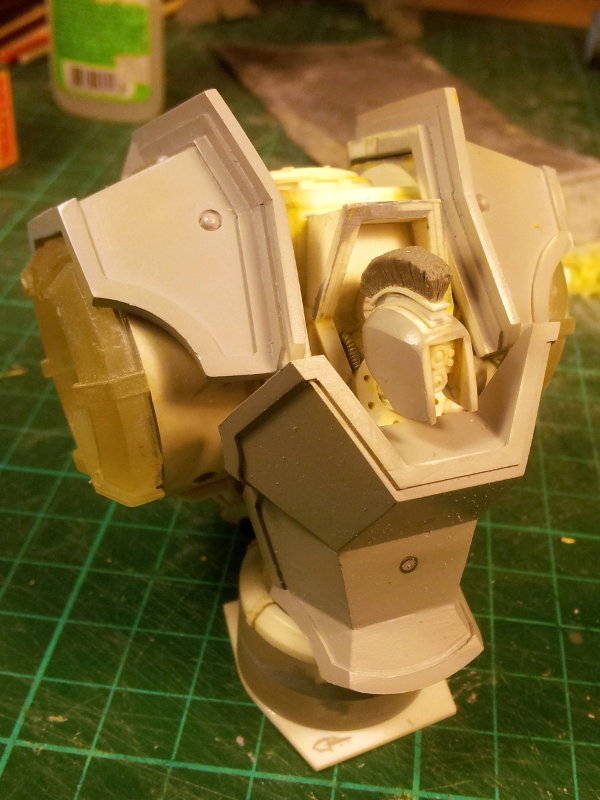
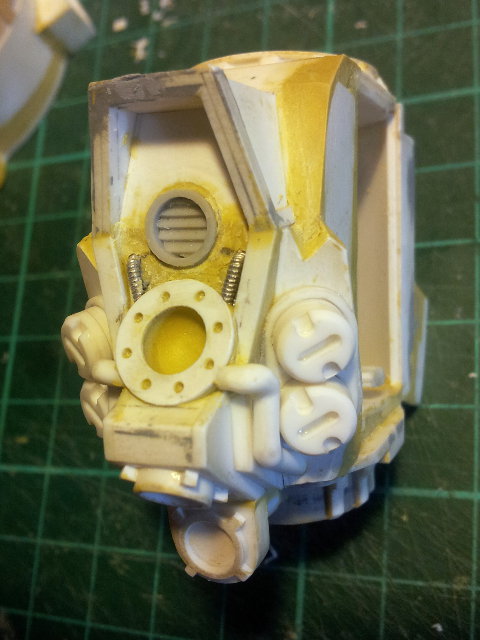
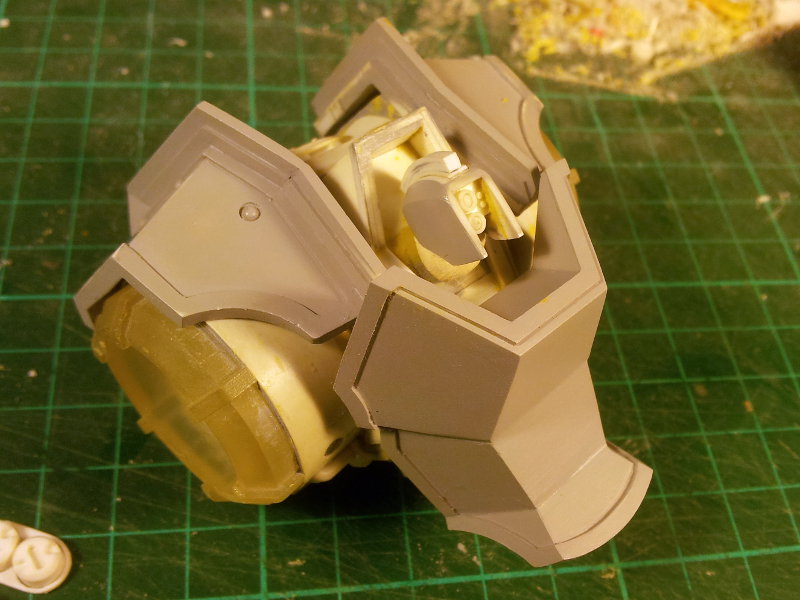
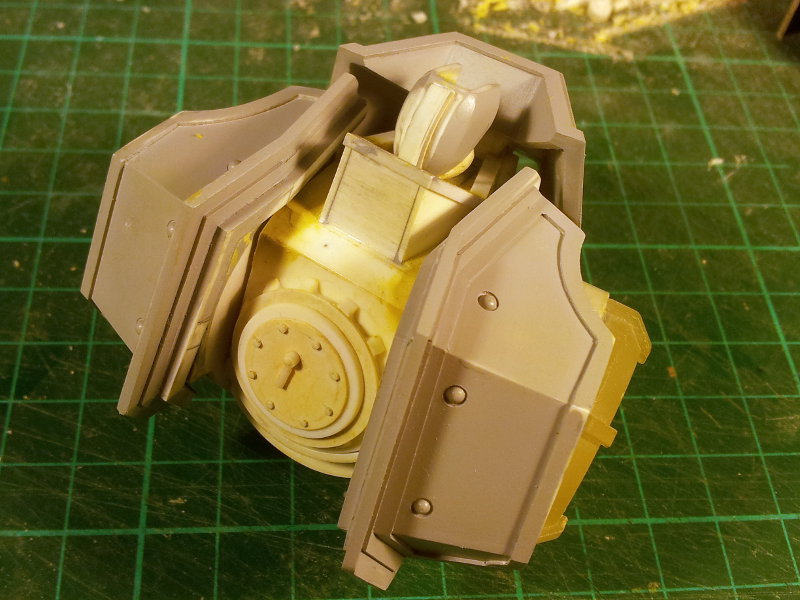
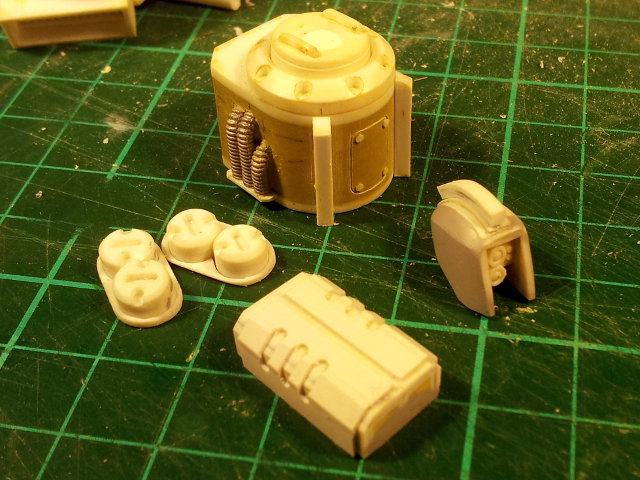
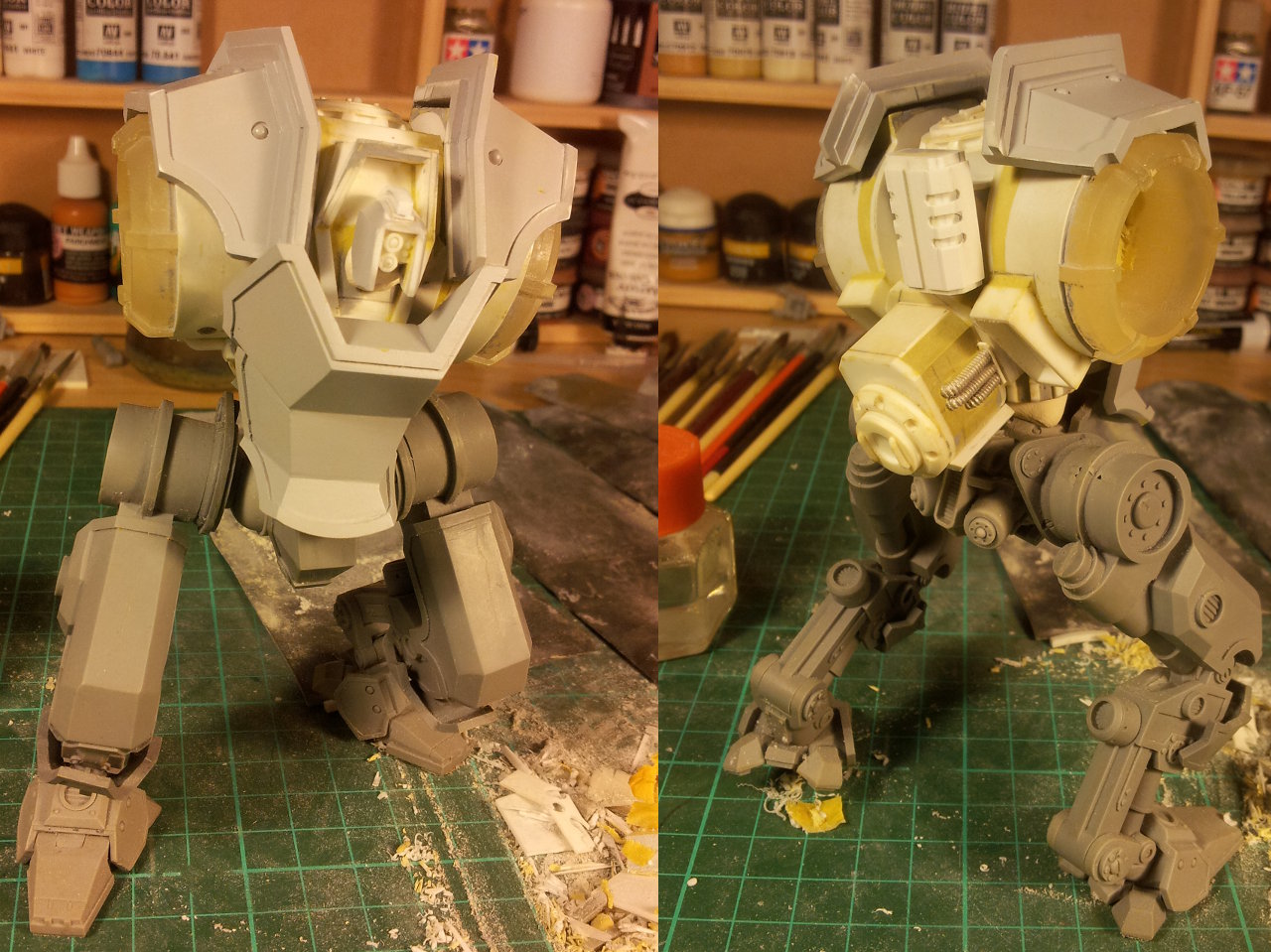
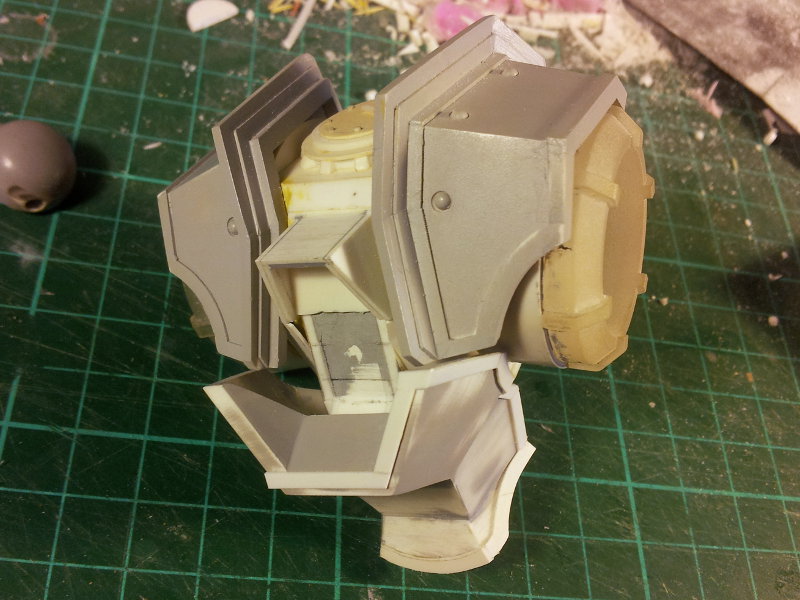
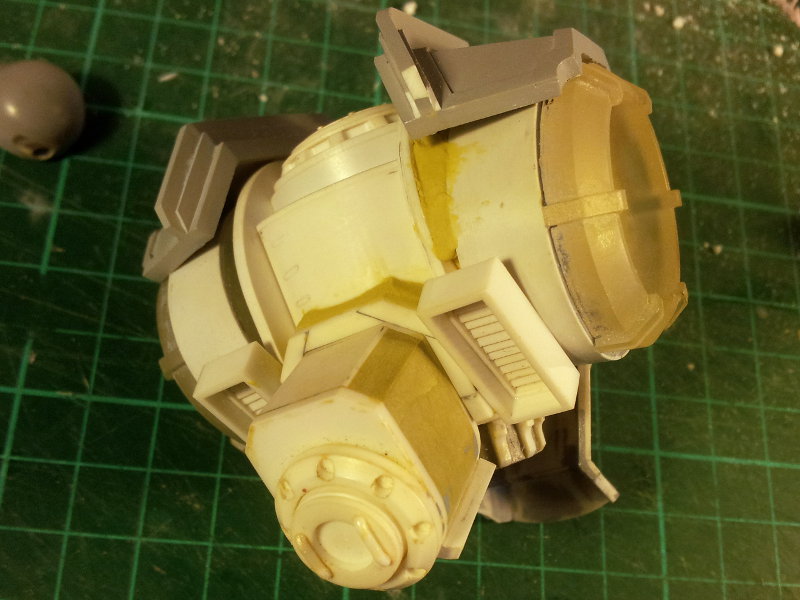
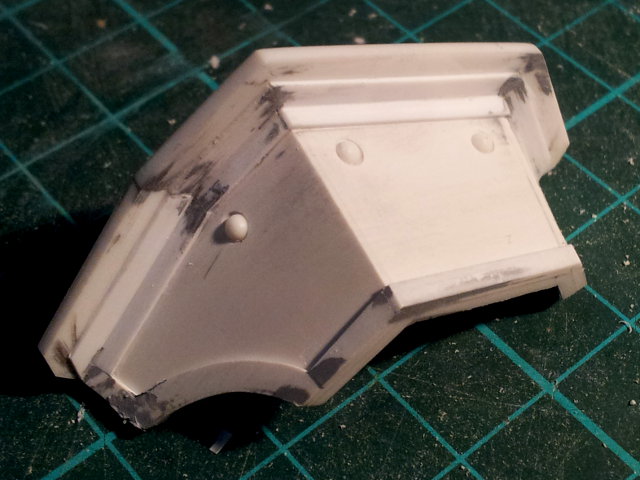
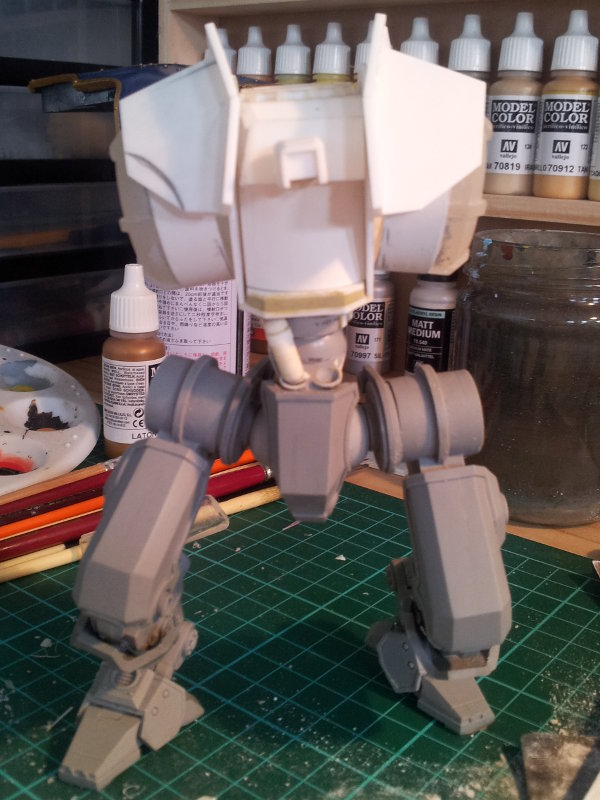
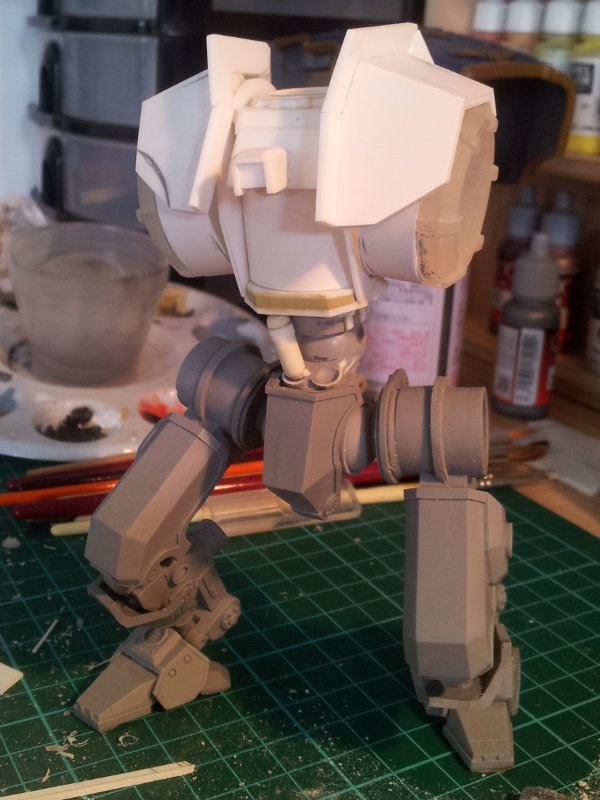
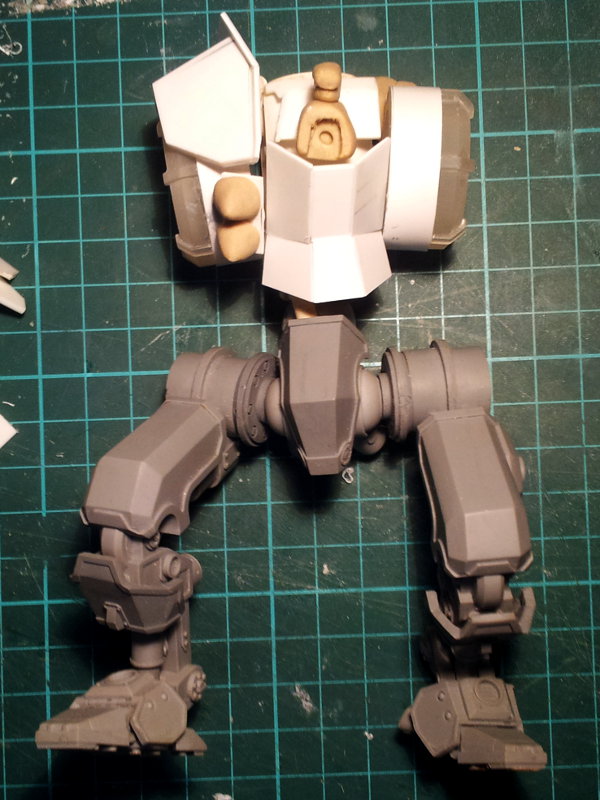
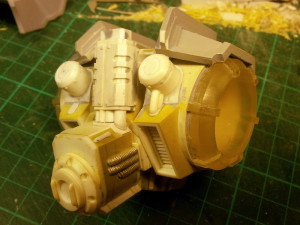
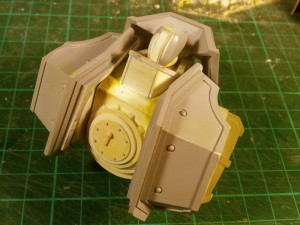
More slow and steady progress, primarily on the rear of the shoulders. As you can see, I’ve added some cylindrical “capacitor” pieces and filled out the areas around the vents with some putty. I just need to add some piping between the left vent and capacitor and then I’ll try to work on finishing the reactor detailing.
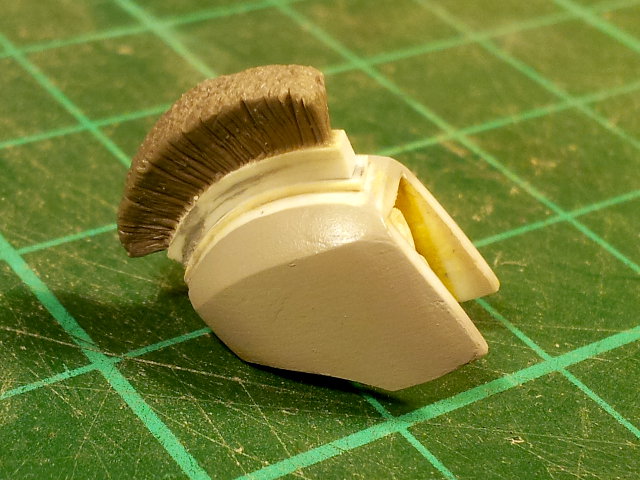
If you look closely you will see that the crest on the helmet has been detailed a little further, with a ridge along the edges. I’ll have to hit it with some primer soon to see how it all looks in an even colour.
In the meantime I’ve been working with my friend Xeones, who is a whiz at mecha aesthetics. Weapon design is not my strong point, so he has put together a really cool looking cannon concept that is going to be awesome! I’ll hopefully make a start on that pretty soon, then we’ll be on the home stretch!
As always, thanks for reading!
Posted by
Mangozac on November 4, 2013
Plumage complete!
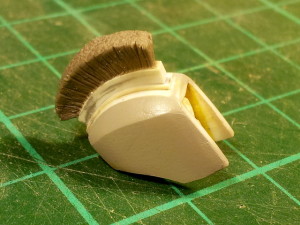
Not much to add – the head is now pretty much complete. Just needs to be fitted to the neck (I was going to do the head and neck separate but it really isn’t that necessary and the parts count is already high enough). I do want to do a head variant with some additional sensor on the side, but I’ll do that to a cast copy rather than this one.
I know a few people aren’t keen on the plume, but It would seriously take about 5 seconds to slice it off with a knife.
Posted by
Mangozac on October 28, 2013
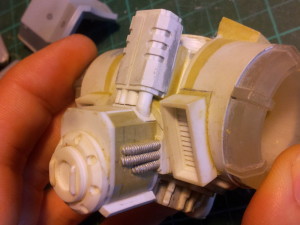
Just a quick interim update today. Detailing work is progressing slowly (and was hindered by me having to help my girlfriend with her web design assignments the last couple of weekends). You can see I’ve been working on the front of the torso. As my mate Seb pointed out when I showed him the other week, it’s a shame that much of it will be hidden behind the chest armour. I probably should have just left it bare, but those who know me know I’m too anal for that! 
Detailing the rear reactor and exhaust system is also progressing nicely. The reactor itself still needs a lot of detailing though.

I’ve been hoping to use some brass etch for a lot of my detailing, but my latest experiments (trying to do it photo-resist style using Electrolube PRP) have been failures. The photo-resist is just way too temperamental! I should go back to using the laser transfer film (but I need to find someone with a non-Brother laser printer because Brother toner doesn’t work with the transfer film sheets).
Posted by
Mangozac on October 5, 2013
It’s been a month since my last update, but fear not the Centurion is still progressing! I’ve been refining lots of little things and find it hard to find motivation to document the progress when doing that kind of work.
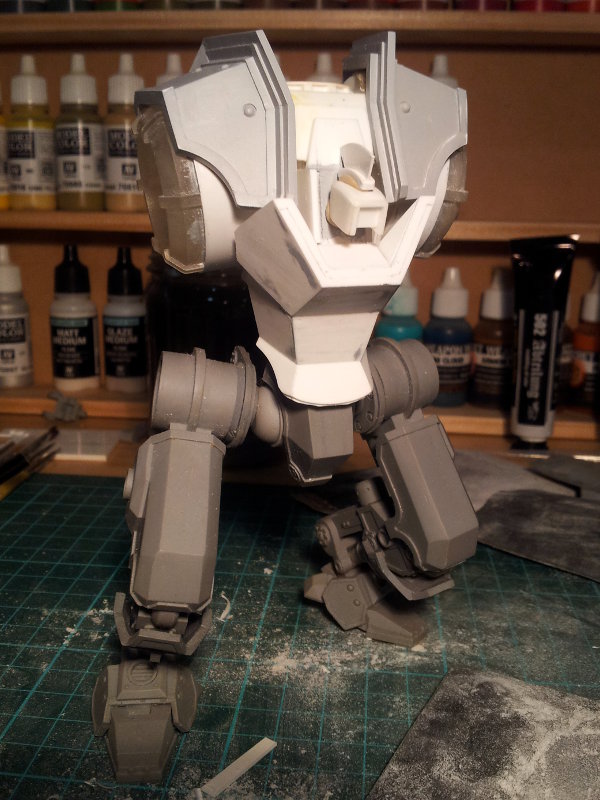
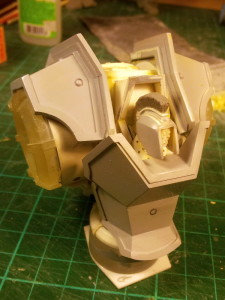
First up, here’s the front of the torso. As you can see, the front armour has been completed and received a coat of primer. It still requires some final detailing but the base shape and banding is done. Shoulder pads now mount properly onto the top of the shoulders using locating lugs. You can also see the current progress on the head.

This next shot I threw in just because. It looks a bit empty down between the front armour and the torso, but I have some detail pieces that will be mounting in there to fill it out a little.
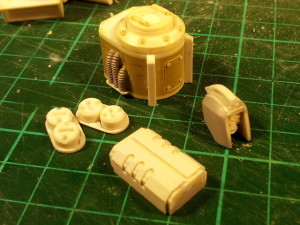
Here’s a shot of a few of the detail pieces currently under construction. We have the rear reactor, the head, the torso front detail pieces and the exhaust. All pretty self explanatory. The exhaust was originally supposed to be made on my CNC router, but it’s out of action at the moment (a dead motor driver has motivated me to build an entire new control system for it) so I did it all by hand and it actually turned out really well. I must be getting pretty good at working styrene? 
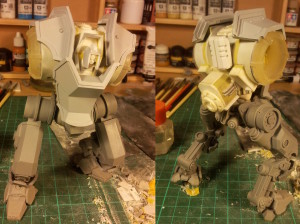
Finally I’ve also grabbed a couple of blue-tacked together shots of the entire model. The waist piece was replaced with a glob of blue-tack so the torso is sitting a bit lower than it should, but you get the idea. There’s still a lot of fill-in and detailing work to go, but it is progressing nicely!
No big plans for the next step other than to keep progressing on all of these little details. I’m currently working on the neck and detailing that area. I’ll try to post some more frequent updates…
As always, thanks for reading!
Posted by
Mangozac on September 11, 2013
It’s been a bit of a delay since the last update – things have been pretty insanely busy lately. I have been making some slow progress but only now had a chance to post it.
You can see I’m getting some serious torso work done now. The torso armour is progressing nicely – just needs the rest of the banding done, then I’ll add some embellishments and it’ll be complete.
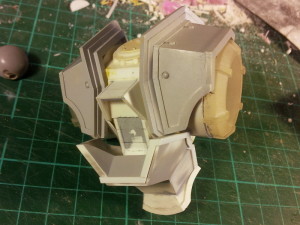
I’ve also started blocking out the rear of the torso. You can see here the basic shape of the reactor which protrudes from the rear. It still has a lot of work to go which will add heaps of visual interest. I should have grabbed a side profile shot to show just how it protrudes. I’ll admit that this was a bit inspired by the furnace on the back of Warjack models. The vents shown either side of the reactor are still very much WIP and need to be built up a little around the outside.
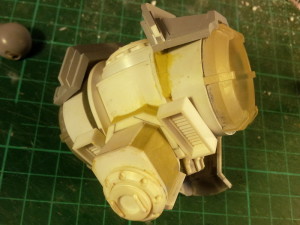
This next shot shows the progress on details underneath the torso and with the torso armour removed. Those two rings are the attachment points for the armour. I have a bunch of details lined up to bulk out that area (the stuff that the torso armour will be protecting). Again, still lots of details to add here…
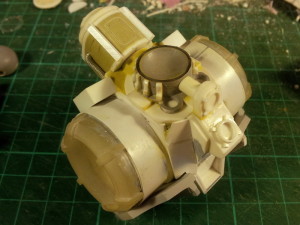
That’s pretty much up to date. I’m not planning to finish any particular area first – I just move around as I go/when I’m waiting for putty or glue to cure. Actually, I’ll probably get stuck in and putty up the rest of the large gaps around the shoulder cylinders next. That will include the surfaces to which the shoulder armour will attach.
Stay tuned!
Posted by
Mangozac on August 8, 2013
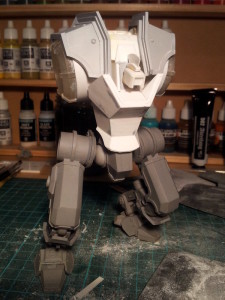
A quick morning update to show the progress on the new torso armour. I’m really pleased with how it’s coming together! It still needs a lot of refinement, then some detailing passes. It will receive banding in the same style as the rest of the armour, and I’ve got some ideas for cool details to add, like the vents on the thigh and foot armour plates.
The area under the armour plate will be fully detailed as well and I have only just started on the details behind the head.
Posted by
Mangozac on August 4, 2013
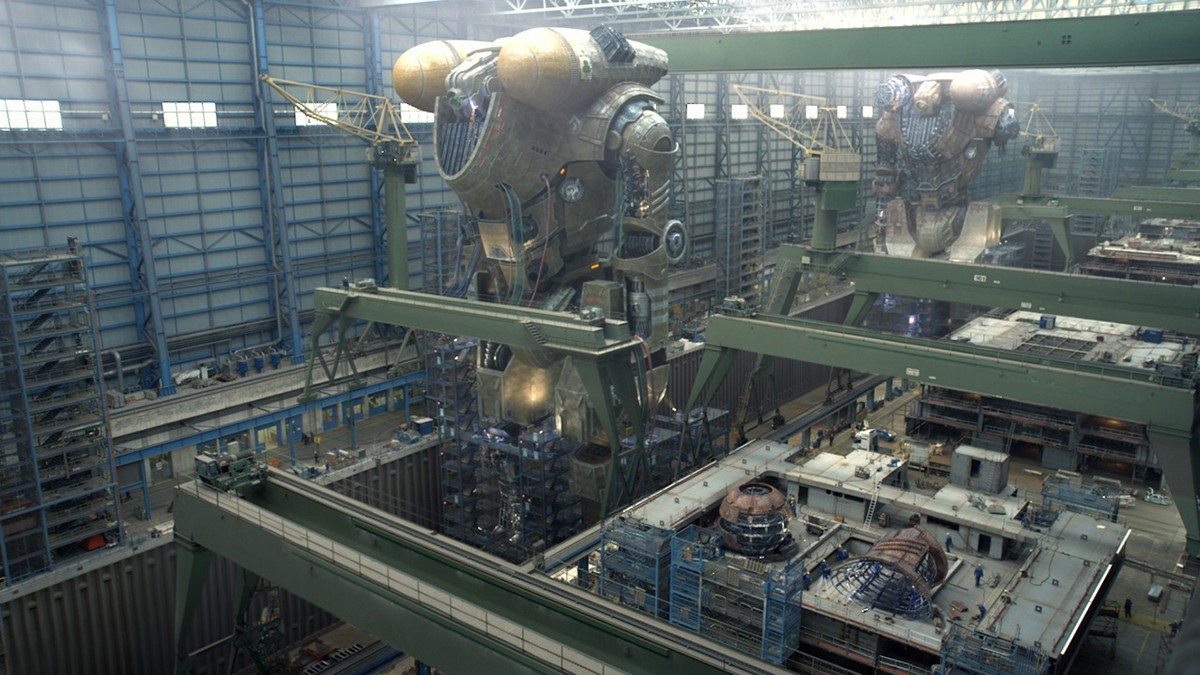
As you last saw I had come up with a chest armour design I was happy with and have spent the small amount of hobby time I’ve had available since transferring the design to plastic. I was happy with how it was progressing. Then my Pacific Rim art book arrived and one picture in particular grabbed me with its coolness:
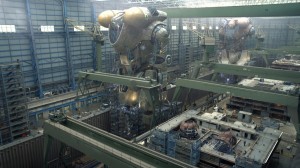
Believe it or not that plate was actually originally a shot of a German cruiser ship factory which was then digitally painted over to create the Jaeger factory. You can see the before and after near the end of this article. Mind blowing! But what I loved most about that picture was the Jaeger design featured and suddenly I didn’t feel as confident with the torso armour I was building for the Centurion.
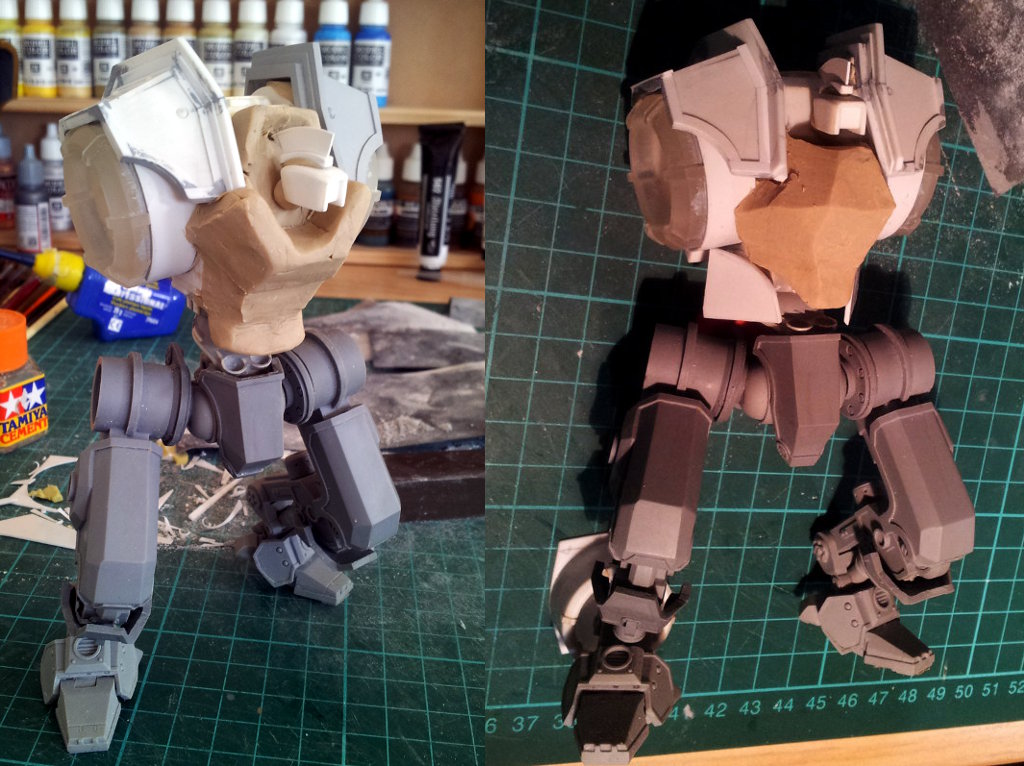
After a few days I couldn’t take it any more so I grabbed a clump of clay, mashed it onto the front of the torso and started sculpting away again. It took a couple of attempts but I finally come up with something that I really liked:
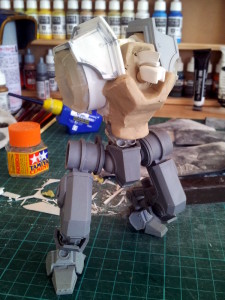
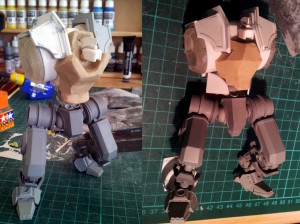
I’m going to try to articulate what I felt the problem was with the original design. You see, when you’re doing a design aesthetic with angled (rather than curved) armour plates, it’s tempting to start trying to form shapes mimicking curved surfaces using lots of polygons (much the same way as a computer 3D model works, except that the polygons are much smaller). The problem is that in my opinion it just starts to looks like a paper model. At that stage you would have been better off building proper curved armour. So the angled armour style needs to look deliberately angular; not polygons mimicking a curved surface. I feel that this new armour design achieves that far better than the first one.
Here’s a comparison of the two:
That’s all I’ve got for today. Now I have to make the new armour plating…
Posted by
Mangozac on July 18, 2013
Well I think I’ve worked out what to do on the front of the torso. After some discussion (and concept art) with my mecha design advisor Xeones on the RA forums I started putting knife to styrene. It’s really difficult to design polysurface shapes like this in styrene so I decided to go one step back and mashed a big blob of clay to the front. From there it’s really easy to sculpt shapes and modify them.
I did this until I came up with the following. Please excuse the terrible photography!

The lighting makes it hard to really get a feel for the shape, but I’m really pleased with it. Ignore those weird looking plates either side of the waist – that is just an experiment for waste armour. It’s a bit dumb like that but I like the general direction of having a small plate either side.
I’ve got one of the shoulder pads mostly finished – it takes ages gluing on all of the banding! I’ve added three large dome rivets recessed into holes. I imagine these would be what fixes the shoulderpad to the shoulder.
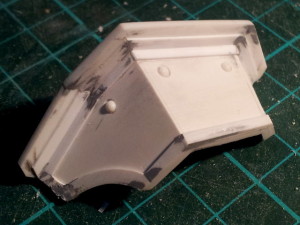
I’ll probably make a mould of the shoulderpads as soon as they’re finished. I’d like to also do an alternative shoulderpad for one side with some iconography sculpted onto it but I’ll do that to a resin copy, not one of the masters
Posted by
Mangozac on July 13, 2013
My hobby time of late is split between painting the brass banding on the Warhound (a loathsome task) and working on the Centurion torso. The beauty of having a painting and scratchbuilding project going at the same time is that working on one is a nice break from the other (rather than spending all of my available time just paint or just scratchbuilding, which is an easy way to burn one’s self out).
I finished the basic form of the shoulder pads as per the following pictures, but I’m contemplating whether a concave curve like I’ve pencilled in on the left side of the photos might look better. I just don’t want it to look like it’s been copied from the Forge World Chaos Decimator. Once I device on that I can then start cutting out and applying the banding to the shoulder pads.
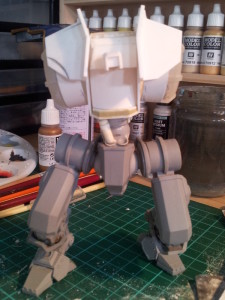

I’m yet to decide what’s going to happen with the chest area. Previous WIP posts have shown some armour plates there but I wasn’t completely sold on it. I think it might need something protruding a bit, as is common in many Japanese mecha designs. Either way there will be a floating armour plate protecting the abdominal mechanics. Spikes still aren’t off the table either…
Oh you can also see the progress I’ve made on the head so far. Yes it’s tiny – it’s supposed to be. Once it has a plume it will look a bit bigger
Posted by
Mangozac on July 5, 2013
Just a quickie for today. I was playing around with torso layouts last night and feel like the following is going in the right direction:

Obviously it’s all still very rough (especially the armour plating – I’m not quite sold on the plating on the front). The two clay blobs on the left are actually spikes – I thought that some stumpy spikes on each side of the torso would look suitably Romanesque.
I’ll do some more playing over the weekend…